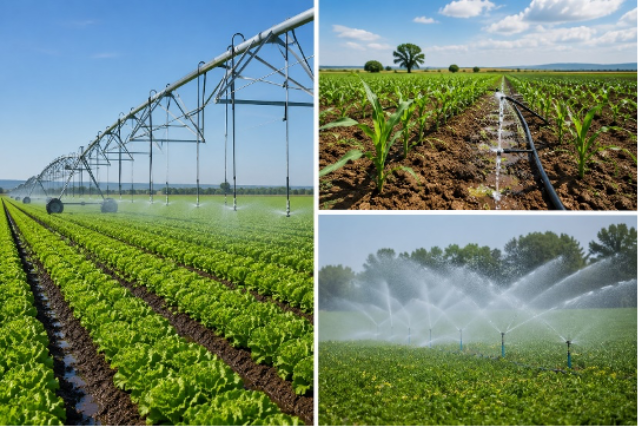

Agricultural mechanization is transforming the future of farming across Africa by making agricultural production faster, more efficient, and more profitable. As the continent’s population continues to grow and the demand for food increases, traditional farming methods alone are no longer sufficient to meet production needs. Modern agricultural machinery offers farmers the opportunity to increase productivity, reduce manual labor, and improve the quality and consistency of their harvests.
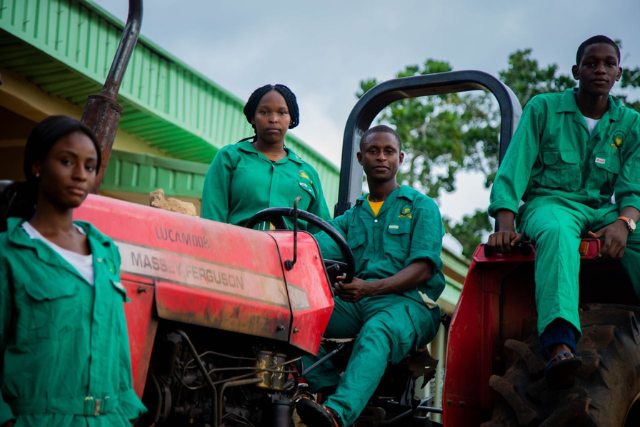
Mechanization involves the use of equipment such as tractors, seed drills, ploughs, harrows, planters, irrigation systems, combine harvesters, sprayers, forklifts, and post-harvest processing machines. These technologies allow farmers to cultivate larger areas of land in less time, complete critical farming operations more efficiently, and reduce crop losses caused by delays during planting and harvesting.
One of the greatest benefits of mechanization is its ability to improve productivity while reducing the physical demands of agricultural work. Tasks that once required large numbers of workers and many days to complete can now be accomplished in a matter of hours. This enables farmers to respond more quickly to changing weather conditions, maximize planting windows, and harvest crops at their optimal maturity, resulting in higher yields and better-quality produce.
Mechanization also plays a vital role in improving food security across Africa. By increasing agricultural output and reducing post-harvest losses, modern equipment helps ensure a more reliable supply of food for growing populations. At the same time, improved efficiency can increase farmers’ incomes, strengthen rural economies, and encourage greater investment in agriculture.
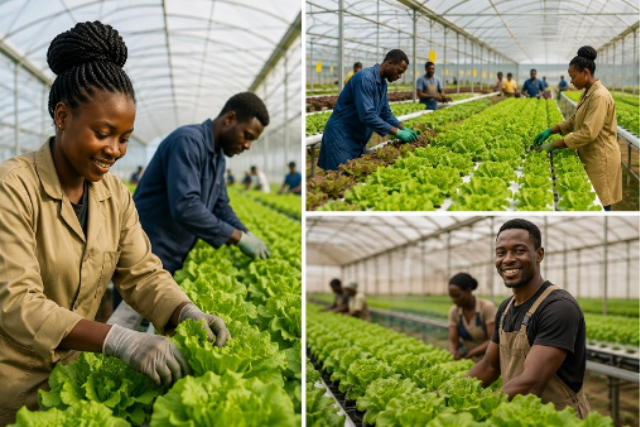
Contrary to the common belief that mechanization eliminates jobs, it also creates new employment opportunities. The growing use of agricultural machinery has increased the demand for skilled tractor operators, machinery technicians, irrigation specialists, equipment mechanics, precision agriculture technicians, logistics personnel, warehouse operators, and agricultural engineers. These emerging professions provide valuable career paths for young people seeking modern, technology-driven employment in the agricultural sector.
Governments, development organizations, and private investors across Africa are increasingly promoting agricultural mechanization as a key strategy for achieving sustainable development, reducing poverty, and improving rural livelihoods. Access to modern machinery, combined with quality training and technical support, enables farmers to produce more with fewer resources while protecting the environment through more precise and efficient farming practices.
The future of African agriculture depends not only on fertile land and hardworking farmers but also on innovation, technology, and the adoption of modern farming techniques. Agricultural mechanization is helping to build a more productive, competitive, and resilient agricultural sector that can meet both local and international market demands. By embracing mechanization, Africa is taking an important step toward achieving food security, economic growth, and a more prosperous future for millions of farming communities. replace the third picture (tractor) with a farm irrigated by moderne irigation systems